
Understanding Tanzania safari cost helps you plan a trip that matches your budget without sacrificing the wildlife experience.
Prices vary widely, and several factors shape the final amount. However, you can understand cost ranges quickly once you know what influences them. Let’s break everything down so you can budget confidently and choose the right experience.
Safari prices in Tanzania shift significantly depending on when you visit. High season, running from June to October, brings clear skies, abundant wildlife sightings, and the highest demand, so lodges raise their rates. Green season, from March to May, introduces rain but rewards travelers with quieter parks and excellent discounts. Calving season in January and February attracts photographers who want to witness newborn wildlife, which pushes prices up again. Because of these variations, choosing your travel month immediately shapes your budget.
Your choice of accommodation influences your safari cost more than almost anything else. Tanzania offers everything from basic public campsites to comfortable mid-range lodges, luxurious tented camps, and ultra-exclusive properties designed for high-end travelers. Each upgrade adds more comfort, privacy, and unique experiences, yet it also increases the daily rate. Since accommodation makes up the largest portion of safari expenses, selecting the right category ensures your trip stays within budget while still delivering the comfort level you prefer.

Every national park in Tanzania sets its own conservation fees, and these fees directly affect your total safari cost. The Serengeti and Ngorongoro Crater charge premium rates because of their world-renowned wildlife and high visitor demand. Parks like Tarangire and Lake Manyara cost less and offer excellent value, while remote destinations such as Ruaha and Nyerere (Selous) often require bush flights that raise your overall expenses. Consequently, your itinerary and chosen parks play a major role in your final budget.
The number of travelers sharing your safari vehicle changes the price dramatically. A private safari for two people gives you full flexibility but results in a higher cost per person. When you join a small group, vehicle and guide expenses spread across more travelers, lowering your daily rate without reducing the experience. Because of this, group safaris offer the best overall value for anyone who wants to enjoy Tanzania’s wildlife while keeping their safari affordable.
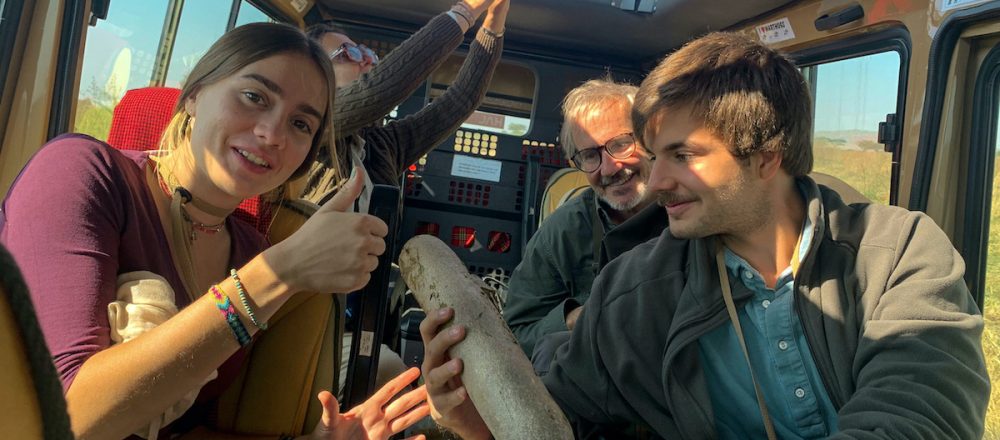
The way you move between parks shapes both cost and convenience. Driving safaris provide excellent value and let you explore several destinations without the added cost of flights. On the other hand, flying safaris reduce travel time and offer spectacular views from the air, yet they increase the price considerably. Since transportation affects your pace, comfort, and budget, choosing between driving and flying becomes just as important as selecting your accommodation.
Tanzania safaris come in many styles, and each one brings unique value.
Most travelers spend $2,500–$5,000 for a well-designed itinerary with fantastic wildlife viewing.
With the right choices, your safari stays within your budget while still delivering unforgettable moments.